DDP PACE Training
Including the DDP PACE Introductory Course and Core DDP PACE Training
Welcome to
Oasis Psychology
Welcome to
Oasis Psychology
Therapeutic services for children with complex trauma and attachment needs.
DDP PACE Training
Including the DDP PACE Introductory Course and Core DDP PACE Training
PACE (Playfulness, Acceptance, Curiosity and Empathy) is an approach developed by Dr Dan Hughes as part of Dyadic Developmental Psychotherapy (DDP). It offers a way of building safety, trust and connection within relationships, particularly for children and young people who have experienced early adversity, disrupted attachments or difficulties within their caregiving relationships.
PACE is not simply a set of techniques to use when things become difficult. It is an attitude and a way of being with children that helps adults approach their experiences with openness, warmth and understanding, while maintaining appropriate boundaries.
For professionals supporting children with attachment needs and experiences of developmental trauma, PACE offers a valuable framework for developing relationship-based practice. It also invites adults to reflect on their own emotional responses and recognise the importance of their own regulation, support and self-care.
Oasis Psychology offers two training options, depending on your experience and the depth of learning you are looking for.
What do you need?

DDP PACE Introductory Course

Core DDP PACE Training
DDP PACE Introductory Course
A one-day introduction to the core concepts and practical application of PACE.
Endorsed by DDPi, this course provides an introduction to PACE and the key principles of DDP. It is suitable for professionals who are new to the approach or would like to develop their understanding of how PACE can support their work with children and young people.
The training explores the thinking behind PACE, the impact of attachment difficulties and developmental trauma, and how adults can use a relationship-based approach to support children.

What will the training cover?

An introduction to PACE
Explore the origins of PACE and the thinking behind this approach, including how it can help to create a sense of safety and connection within relationships.

Core concepts of PACE and DDP
Develop an introductory understanding of the key principles underpinning PACE and DDP, including shame and guilt, the two hands of parenting, and blocked care. Consider how these concepts can influence relationships between children and the adults who support them.

Putting PACE into practice
Explore how to use PACE in everyday interactions with children and young people. This includes developing reflective capacity, supporting emotional regulation, responding with empathy and recognising the importance of self-care when working with children who have experienced relational difficulties.
Who is this course for?
This course is suitable for professionals who support children and young people with attachment needs and developmental trauma including social workers, foster carers, residential childcare staff, education professionals and other practitioners working with traumatised children and young people.
Course format
The training comprises 7.5 hours of teaching, usually delivered as a full day from 9.00 am to 4.30 pm.
Participants receive a certificate of completion.
Core DDP PACE Training
A two-day DDP-I accredited training programme exploring the theory, principles and practical application of PACE
For those looking for a more in-depth understanding, Core DDP PACE Training explores the theory and principles underpinning PACE and DDP, alongside the practical skills and personal capacities adults need to develop to use PACE effectively.
The training considers how attachment experiences and developmental trauma can affect children's development, relationships and capacity for emotional connection. It also recognises the emotional demands of supporting children with complex needs, helping professionals reflect on their own responses and consider how to maintain connection during difficult moments.
The programme is experiential and reflective, with opportunities to explore the concepts, consider real-life situations and reflect on how the learning can be applied within everyday practice.
What will the training cover?
1. The origins and thinking behind PACE
Explore the theoretical foundations of PACE and its aim of deepening emotional connection within relationships. Consider why PACE is a way of being rather than simply a technique or strategy.

2. Core concepts of PACE and DDP
Develop an understanding of the key theories and principles that inform PACE and DDP, including:
Secure, insecure and disorganised attachment.
The impact of developmental trauma on children's development, relationships and capacity for emotional connection.
Shame and guilt, and how these can affect children's responses to adults.
The attitude of PACE, including exploration, reflection and practice.
The two hands of parenting and teaching
Blocked care, and the importance of support and self-care.
Practical strategies for supporting children in their everyday lives and learning.

3. Developing the capacities adults need to use PACE
Explore the personal and relational capacities that help adults use PACE effectively, including:
Developing reflective capacity and mind-mindedness.
Understanding and supporting our own emotional regulation.
Recognising defensive responses in ourselves and finding ways to return to a more open and engaged state.
Balancing empathy with boundaries, choices and consequences.
Recognising the importance of support and self-care when working with children with complex needs.

4. Putting PACE into practice
Explore each of the four elements of PACE and consider how they can be used in everyday interactions with children and young people:
Playfulness: using warmth, humour and a lightness of touch where appropriate to help create connection.
Acceptance: communicating that a child's feelings, thoughts and internal experiences can be understood without judgement.
Curiosity: approaching a child's experiences with openness and a genuine desire to understand.
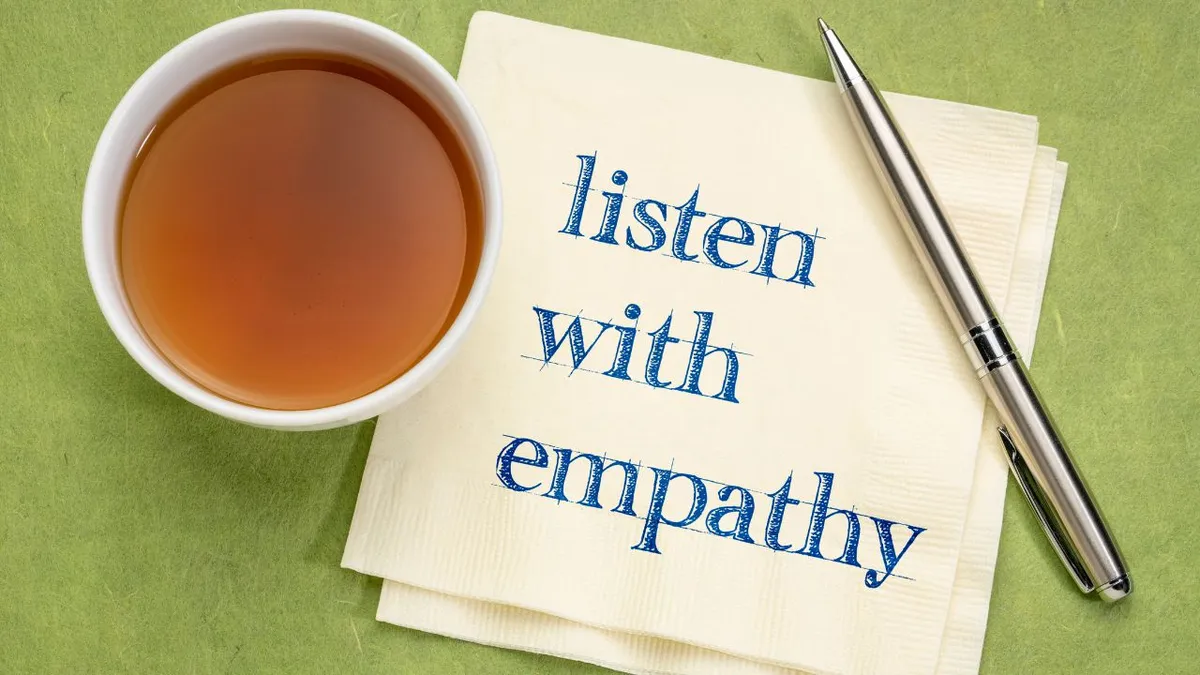
Empathy : recognising and communicating an understanding of a child's emotional experience.
The training considers how these principles can be applied in real-life situations, helping professionals reflect on their existing practice and develop their confidence in using PACE within their relationships with children.
Who is this course for?
This training is suitable for professionals working with children and young people with attachment needs and experiences of developmental trauma. This may include social workers, foster carers, residential childcare staff, education professionals and other practitioners supporting care-experienced children and families.
Course format and certification
The training comprises 15 hours of teaching and can be delivered in either of the following formats:
Two full days: 9.00 am–4.30 pm.
Three shorter days: 9.30 am–3.00 pm
Participants receive a DDPi accredited certificate of completion.
Face-to-face training can accommodate a maximum of 25 participants, allowing time for reflection, discussion and consideration of how the learning can be applied within practice.
About the Trainer
Laura Bennett is a Clinical Psychologist with 20 years of experience working in NHS and private practice settings. Her work focuses on supporting professionals working with children in care, adopted children, children on the edge of care, and children with attachment needs and experiences of developmental trauma.
Laura is a DDPI-approved PACE Trainer.

What is the difference between a DDP PACE Training and general PACE training?
Your DDP PACE training will be delivered by a DDP PACE trainer who has been nominated by a DDPI Worldwide certified DDP Trainer, has completed DDP Level One and Two, and receives ongoing professional supervision.
All DDP PACE training covers the same, established core concepts to ensure robustness in the training model and consistent learning for attendees.
Trainers will be modeling the attitude of PACE throughout the training and participants will learn through this experience as well as the theory and practice shared within the training.
Only DDP PACE training is supported by DDPI Worldwide, and is therefore supported by robust frameworks, and grounded in neuroscience, attachment and intersubjectivity.
More info can be found at:
https://ddpnetwork.org/professionals/training/ddp-pace-training/

Booking and enquiries
If you would like to arrange PACE training for your team or organisation, please get in touch to discuss your requirements and the most appropriate training option.

© 2026 Oasis Psychology | All Rights Reserved